

What connects a jewellery store, a zoo, a multimillion-dollar art collection, a security truck, a garage full of classic cars and a terrorist attack?
Add private collections, museums and galleries, farms and service dogs, and collectibles such as sports cards, handbags, trainers, wine and whisky, and the common thread becomes even harder to spot.
So what does connect them? It’s the fact that all can be difficult to insure through conventional markets, requiring the kind of expertise that’s made Lloyd’s the favourite for insuring risks other markets struggle to accommodate.
Lloyd’s has built its reputation on insuring the weird and wonderful – but that’s not simply because it has the capacity to absorb unusual risks. It’s become the destination of choice because the London Market is populated by underwriters and brokers with generations of accumulated experience in understanding difficult risks – Burns & Wilcox Global Solutions among them.
By the time a risk arrives in London, the obvious solutions may have been exhausted. So the challenge is not only finding somebody willing to insure it, but working to understand exactly why others have been unwilling to do so.
Finding the risk behind the problem
“Difficult to place” does not necessarily mean impossible to insure. Sometimes a risk has a genuine weakness that needs to be addressed. Sometimes the information provided does not give underwriters enough confidence. And sometimes it has simply reached a market with little appetite or expertise for that particular exposure.
Knowing the difference is where experienced specialty broking begins.
There are obvious reasons why a jewellery store holding $600,000 of stock may make an insurer nervous – especially at a time of high gold prices and increasing incidence of smash-and-grab robberies. But the value of the stock says relatively little about whether it is ultimately an attractive risk.
The true nature of the risk is revealed when the broker works to understand how customers enter the premises, what kind of safe is being used, how the alarm is monitored and what happens to the stock outside trading hours. A specialist survey of the premises may reveal weaknesses in those protections – and it can provide a route towards addressing them.
The objective is not simply to keep searching until an underwriter says yes to the risk. It’s to understand what’s driving the reluctance, and whether anything can be done to change the conversation.
That expertise is applicable across very different classes of business. A classic car collection may sound like an expensive motor exposure until it becomes clear that the vehicles are investments that rarely leave the garage. This shifts the risk focus towards fire, theft and natural catastrophe.
Defining individual risk scenarios in fine art cases
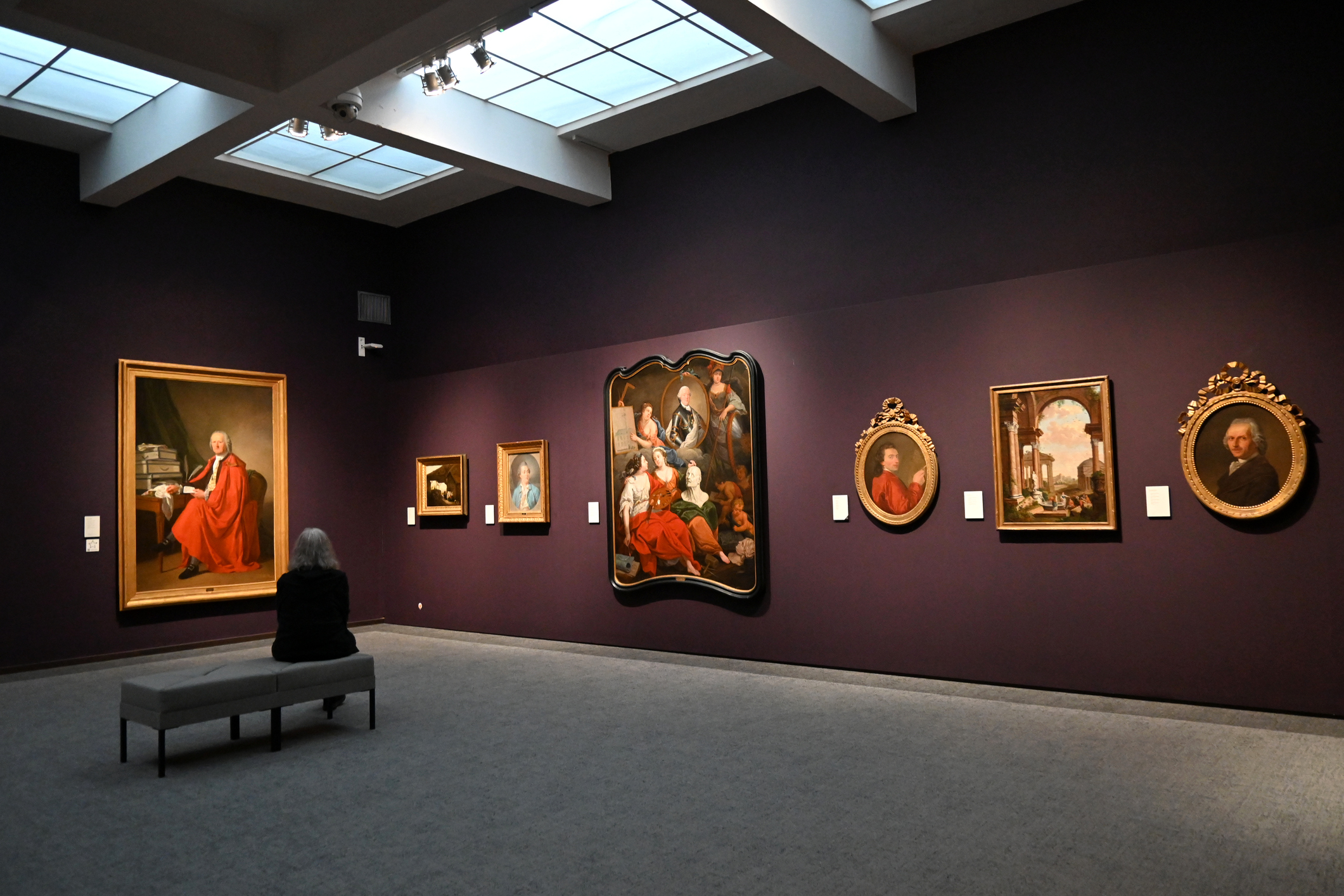
Fine art brings different considerations again – from how pieces are transported to whether the valuations on which the insurance is based are realistic. In one instance, a collection was known to have previously been insured for $900,000. When revalued, it was found that the true value was only $300,000, allowing for more appropriate insurance and a reduced premium for the collector.
Sometimes, the issue is that no specialist insurance has been secured – often, people assume their collection is covered under their property policy. We’ve encountered galleries and dealers holding substantial collections without dedicated cover – even for a collection valued at $2m.
To truly understand the risk being posed, the questions brokers have to ask differ across every class of business. For example, understanding the risk a cash carrier brings requires scrutiny of every process, from routes taken to the employees hired. Advances in tracking technology have changed that exposure over the past decade, but understanding the individual operation is key to understanding the true nature of the risk.
Terrorism is another good example in which businesses in the US may have access to some government-backed protection. Through that optional scheme, terrorism premiums are calculated as a percentage of their broader property premiums. Many rely on this mechanism but, with the right investigations, we’ve found that some businesses can secure the same or better cover in a standalone terrorism policy.
Digging deeper
All classes of specialty business require a broker with the appetite to dig deeper, understand the true nature of the risk and find the right home for it. That is what ultimately connects the jewellery store, the zoo, the art collection, the classic cars and all the other apparently unrelated risks that find their way to London.
The weird and wonderful may provide the stories for which Lloyd’s is famous, but the real engines of the specialty market are much less mysterious: experience, curiosity, and the knowledge of how to turn a difficult risk into one the market can understand.
This is where Burns & Wilcox Global Solutions comes in. We’ve built our reputation on making sense of risks that have encountered placement difficulties elsewhere – and providing tailored insurance solutions in every case.